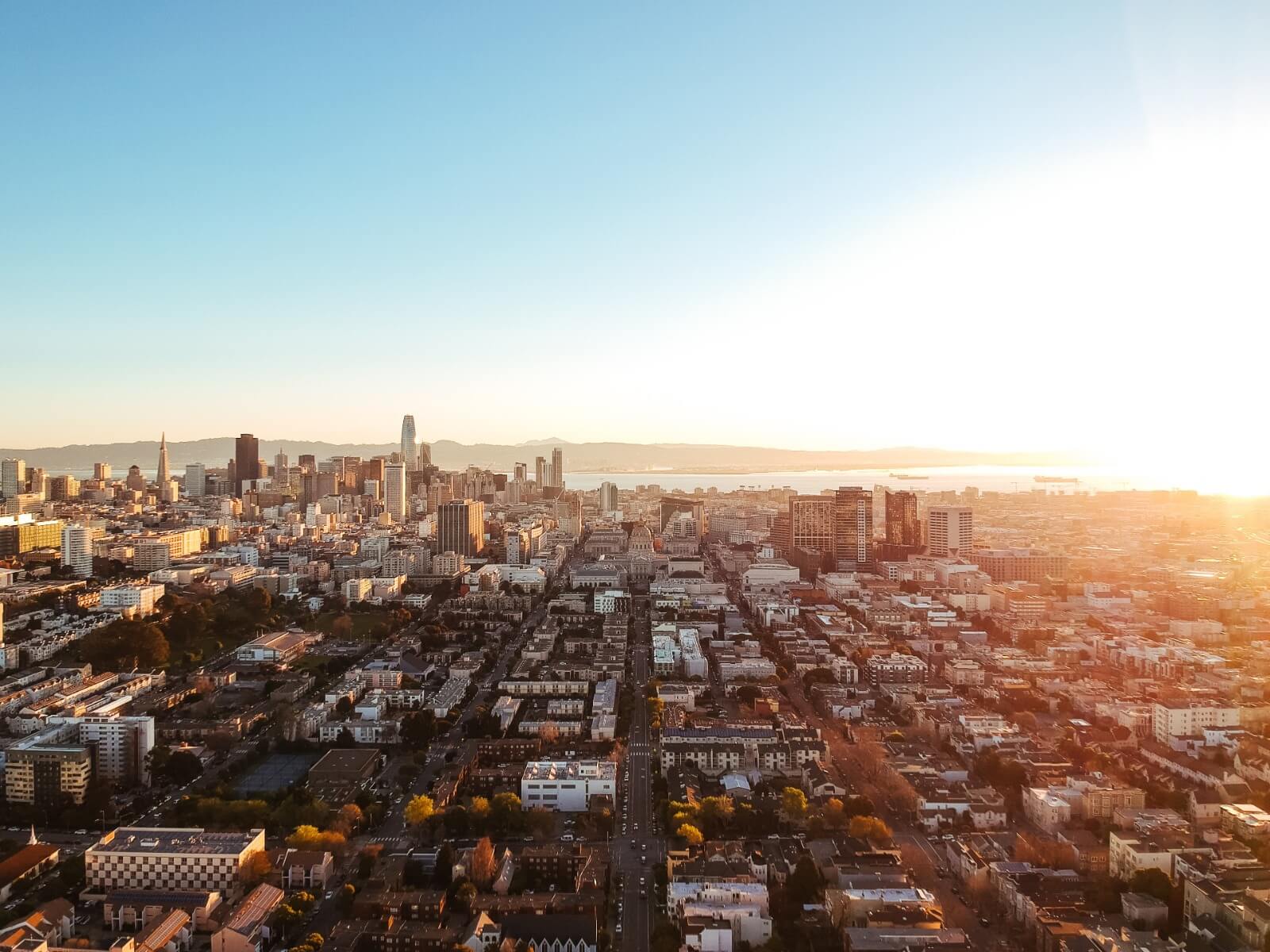
What is it like to live in Bernal Heights?
Bernal Heights offers sunny, community-driven residential living with a cozy village feel, hillside views, and charming streets. It feels welcoming, peaceful, and slightly removed from busier districts while still well connected.
What is the overall vibe or personality of Bernal Heights?
The vibe is friendly, artistic, and family-oriented with a strong sense of neighborhood pride.
Is Bernal Heights safe?
The area is considered safe, with low violent crime and an active, engaged community.
Who typically lives in Bernal Heights (young professionals, families, retirees)?
Residents include families, young professionals, artists, and longtime homeowners who value quiet streets and a close-knit atmosphere.
How walkable is Bernal Heights?
Walkability is excellent around Cortland Avenue, while hillside areas are more strenuous due to steep terrain.
Is Bernal Heights generally quiet or busy?
The neighborhood is quiet on residential hillsides and moderately active near commercial areas.
How close is Bernal Heights to grocery stores, essentials, and daily conveniences?
Grocery stores, cafés, bakeries, and everyday services are concentrated on Cortland Avenue and along Mission Street.
How long is the commute from Bernal Heights to major job centers or downtown?
Commutes to downtown typically take 10 to 20 minutes by car or 15 to 30 minutes by transit.
Is public transportation in Bernal Heights easily accessible and reliable?
Public transportation access is strong, with multiple Muni routes and quick BART access nearby in the Mission.
Are there good restaurants, cafés, shops, or parks near Bernal Heights?
Dining and shopping options include neighborhood restaurants, boutiques, and services on Cortland Avenue, as well as larger selections in the Mission.
What is the community vibe in Bernal Heights like-laid-back, upscale, artistic, family-oriented?
The community vibe is welcoming, tight-knit, and active, with strong participation in neighborhood groups and events.
Are there local events or neighborhood gatherings in Bernal Heights?
Local events include the Bernal Heights Outdoor Cinema, farmers markets, holiday celebrations, and gatherings at Precita Park and Holly Park.
Is Bernal Heights dog-friendly?
The area is very dog-friendly, especially with Bernal Hill offering one of the best off-leash parks in the city.
What is the nightlife like in Bernal Heights?
Nightlife is modest, centered on casual bars and restaurants; many residents go to the Mission for more options.
Are there any notable local attractions or cultural spots in Bernal Heights?
Notable attractions include Bernal Hill, Precita Park, Holly Park, and sweeping city views.
How easy or difficult is it to find street parking in Bernal Heights?
Street parking is moderate, easier on hilltop residential blocks and more competitive near Cortland Avenue.
Do I need a residential parking permit in Bernal Heights?
Residential parking permits are used in select areas, especially near Mission Street.
What is traffic like in Bernal Heights during typical commute times?
Traffic is light on most interior streets and heavier along Mission Street and Bayshore Boulevard.
Are biking routes in Bernal Heights safe and convenient?
Biking is mixed due to steep hills, though flat routes along the Mission and nearby protected lanes help with connectivity.
How noisy is Bernal Heights during the day and night?
Noise levels are low on quiet residential streets and moderate near busy park areas and Mission Street.
Are there nearby businesses or traffic in Bernal Heights that affect noise levels?
Noise increases around commercial corridors and heavily used parks.
What is the typical weather or microclimate in Bernal Heights?
Bernal Heights has one of the warmest and sunniest microclimates in San Francisco, with minimal fog and comfortable breezes.
What is it like to live in Inner Mission?
The Inner Mission offers vibrant, culturally rich urban living with a mix of historic homes, modern developments, murals, and some of the best dining in the city. It feels energetic, diverse, and creative with strong neighborhood identity.
What is the overall vibe or personality of Inner Mission?
The vibe is lively, artistic, and youthful with a blend of longtime residents, young professionals, and a strong Latino cultural presence.
Is Inner Mission safe?
Safety varies by block. Main corridors with active businesses are generally safe, while certain side streets require typical urban awareness, especially at night.
Who typically lives in Inner Mission (young professionals, families, retirees)?
Residents include young professionals, artists, families, students, and longtime Mission locals who value culture, walkability, and accessibility.
How walkable is Inner Mission?
Walkability is excellent, with groceries, cafés, restaurants, and shops all within short walking distance.
Is Inner Mission generally quiet or busy?
The neighborhood is busy throughout the day and evening, with quieter pockets on residential streets farther from main corridors.
How close is Inner Mission to grocery stores, essentials, and daily conveniences?
Grocery stores, markets, taquerias, cafés, and essential services are abundant along Mission Street, Valencia Street, and 24th Street.
How long is the commute from Inner Mission to major job centers or downtown?
Commutes to downtown take 10 to 20 minutes by car and even faster via BART or Muni.
Is public transportation in Inner Mission easily accessible and reliable?
Public transportation access is excellent, with direct BART stations at 16th and 24th, numerous Muni lines, and bike-friendly routes throughout the area.
Are there good restaurants, cafés, shops, or parks near Inner Mission?
Dining and shopping options are among the best in the city, with extensive restaurants, bars, boutiques, and specialty stores throughout Valencia and Mission corridors.
What is the community vibe in Inner Mission like-laid-back, upscale, artistic, family-oriented?
The community vibe is expressive, inclusive, and deeply rooted in culture and art, with strong local activism and neighborhood engagement.
Are there local events or neighborhood gatherings in Inner Mission?
Local events include street fairs, cultural festivals, gallery openings, community markets, and frequent events in Dolores Park.
Is Inner Mission dog-friendly?
The area is dog-friendly, with many residents walking to Dolores Park, Garfield Square, and other nearby green spaces.
What is the nightlife like in Inner Mission?
Nightlife is lively, with bars, cocktail lounges, music venues, and late-night dining concentrated along Valencia and Mission.
Are there any notable local attractions or cultural spots in Inner Mission?
Notable attractions include Clarion Alley murals, Dolores Park, Mission Dolores, the Roxie Theater, and vibrant streets lined with public art.
How easy or difficult is it to find street parking in Inner Mission?
Street parking is difficult due to density and high demand near restaurants and nightlife.
Do I need a residential parking permit in Inner Mission?
Residential parking permits are commonly used and often necessary for consistent access.
What is traffic like in Inner Mission during typical commute times?
Traffic is moderate to heavy along Mission Street and Valencia Street and lighter on residential side streets.
Are biking routes in Inner Mission safe and convenient?
Biking is excellent, with protected lanes, flat streets, and easy connections to downtown, the waterfront, and other neighborhoods.
How noisy is Inner Mission during the day and night?
Noise levels are moderate to high on busy commercial streets and lower on residential blocks.
Are there nearby businesses or traffic in Inner Mission that affect noise levels?
Noise increases around nightlife areas, transit corridors, and weekend gatherings at parks.
What is the typical weather or microclimate in Inner Mission?
The Inner Mission has one of the sunniest, warmest microclimates in the city, with minimal fog and warm afternoons most of the year.
What is it like to live in Mission Bay?
Mission Bay offers modern waterfront living with new high-rise developments, biotech campuses, and wide, clean streets. It feels contemporary, spacious, and well planned with strong access to parks and the Bay Trail.
What is the overall vibe or personality of Mission Bay?
The vibe is polished, active, and youthful, with a strong presence of professionals, students, and medical workers.
Is Mission Bay safe?
Mission Bay is considered safe, with consistent patrols, strong lighting, and high foot traffic around UCSF, Oracle Park, and commercial corridors.
Who typically lives in Mission Bay (young professionals, families, retirees)?
Residents include young professionals, UCSF employees, students, and families who appreciate new construction and easy access to amenities.
How walkable is Mission Bay?
Walkability is excellent, with flat streets, waterfront paths, and numerous cafés and services nearby.
Is Mission Bay generally quiet or busy?
The neighborhood is quiet in residential sections and moderately busy around UCSF and sporting/event venues.
How close is Mission Bay to grocery stores, essentials, and daily conveniences?
Grocery stores, pharmacies, cafés, and daily services are located throughout the neighborhood, especially on Fourth Street and near the UCSF campus.
How long is the commute from Mission Bay to major job centers or downtown?
Commutes to downtown typically take 5 to 15 minutes depending on route and traffic.
Is public transportation in Mission Bay easily accessible and reliable?
Public transportation access is strong, with Muni light rail lines, multiple bus routes, Caltrain nearby, and easy freeway access.
Are there good restaurants, cafés, shops, or parks near Mission Bay?
Dining and shopping options include cafés, modern restaurants, fitness studios, and specialty shops, with additional options in nearby SoMa and Potrero Hill.
What is the community vibe in Mission Bay like-laid-back, upscale, artistic, family-oriented?
The community vibe is friendly, modern, and active, with many residents engaged in waterfront recreation.
Are there local events or neighborhood gatherings in Mission Bay?
Local events include Giants games, Chase Center events, waterfront festivals, and community gatherings at Mission Bay Parks.
Is Mission Bay dog-friendly?
The area is very dog-friendly, with multiple parks, open spaces, and long walking routes along the water.
What is the nightlife like in Mission Bay?
Nightlife is moderate, with bars and restaurants near Oracle Park and Chase Center offering pre- and post-event activity.
Are there any notable local attractions or cultural spots in Mission Bay?
Notable attractions include Oracle Park, Chase Center, UCSF Medical Center, Mission Bay Parks, and the Bay Trail.
How easy or difficult is it to find street parking in Mission Bay?
Street parking is moderate to difficult depending on proximity to event venues. Residential areas have better availability than blocks near Oracle Park.
Do I need a residential parking permit in Mission Bay?
Residential parking permits exist in some sections, but many buildings offer garage parking.
What is traffic like in Mission Bay during typical commute times?
Traffic is moderate most days and heavy during Giants games, Chase Center events, and rush hours.
Are biking routes in Mission Bay safe and convenient?
Biking is excellent with wide bike lanes, waterfront paths, and direct connections to SoMa and the Embarcadero.
How noisy is Mission Bay during the day and night?
Noise levels are low to moderate on typical days and increase significantly during major events.
Are there nearby businesses or traffic in Mission Bay that affect noise levels?
Noise spikes occur near Oracle Park, Chase Center, and busy commercial blocks.
What is the typical weather or microclimate in Mission Bay?
Mission Bay has a mild, mostly sunny microclimate with breezy waterfront conditions and far less fog than western neighborhoods.
What is it like to live in Potrero Hill?
Potrero Hill offers sunny, quiet residential living with sweeping city views, classic homes, and a laid-back atmosphere. It feels warm, friendly, and slightly removed from the busier parts of the city while remaining highly accessible.
What is the overall vibe or personality of Potrero Hill?
The vibe is relaxed, creative, and community-focused with a strong neighborhood identity and a small-town feel.
Is Potrero Hill safe?
The area is considered safe, with low violent crime and stable residential streets, though typical city awareness is recommended near commercial edges.
Who typically lives in Potrero Hill (young professionals, families, retirees)?
Residents include young professionals, families, longtime homeowners, and individuals in creative and tech industries.
How walkable is Potrero Hill?
Walkability is strong near 18th Street and around the flatter areas, while hillside streets can be steep.
Is Potrero Hill generally quiet or busy?
The neighborhood is quiet, with more activity around 18th Street and the northern side near Mission Bay.
How close is Potrero Hill to grocery stores, essentials, and daily conveniences?
Grocery stores, markets, cafés, and services are available along 18th Street, 20th Street, and in nearby Dogpatch and Mission Bay.
How long is the commute from Potrero Hill to major job centers or downtown?
Commutes to downtown typically take 10 to 20 minutes by car or transit.
Is public transportation in Potrero Hill easily accessible and reliable?
Public transportation access is good, with Muni bus lines and nearby Caltrain in Dogpatch and Mission Bay.
Are there good restaurants, cafés, shops, or parks near Potrero Hill?
Dining and shopping options include popular restaurants, neighborhood cafés, bakeries, and boutiques on 18th Street, plus additional options in Dogpatch.
What is the community vibe in Potrero Hill like-laid-back, upscale, artistic, family-oriented?
The community vibe is friendly, low-key, and engaged, with residents frequently involved in local associations and neighborhood activities.
Are there local events or neighborhood gatherings in Potrero Hill?
Local events include block parties, small festivals, neighborhood gatherings, and community programs at Potrero Rec Center.
Is Potrero Hill dog-friendly?
The area is dog-friendly, with many residents using Potrero Hill Recreation Center, Jackson Playground, and local walking routes.
What is the nightlife like in Potrero Hill?
Nightlife is modest, with casual bars, pubs, and restaurants on 18th Street; residents often go to the Mission or Dogpatch for more options.
Are there any notable local attractions or cultural spots in Potrero Hill?
Notable attractions include Potrero Hill Recreation Center, Jackson Playground, 18th Street's dining scene, and panoramic views of downtown.
How easy or difficult is it to find street parking in Potrero Hill?
Street parking is moderate, with easier availability on higher residential blocks and more competition closer to 18th Street.
Do I need a residential parking permit in Potrero Hill?
Residential parking permits are used in some sections but are not needed throughout the entire neighborhood.
What is traffic like in Potrero Hill during typical commute times?
Traffic is light on residential streets and moderate near major connecting roads like 16th Street and Potrero Avenue.
Are biking routes in Potrero Hill safe and convenient?
Biking is good, with access to flatter routes leading to Mission Bay and Dogpatch, though hills require extra effort.
How noisy is Potrero Hill during the day and night?
Noise levels are low on most residential streets and moderate near commercial corridors and through-streets.
Are there nearby businesses or traffic in Potrero Hill that affect noise levels?
Noise increases around 16th Street, Potrero Avenue, and 18th Street but is minimal elsewhere.
What is the typical weather or microclimate in Potrero Hill?
Potrero Hill has one of the warmest and sunniest microclimates in San Francisco, with minimal fog and consistently pleasant weather.
What is it like to live in South of Market?
South of Market offers dense, modern urban living with a mix of high-rise condos, converted warehouses, tech offices, nightlife, and large-scale event venues. It feels energetic, industrial, and fast-changing with broad streets and diverse pockets.
What is the overall vibe or personality of South of Market?
The vibe is contemporary, eclectic, and dynamic, shaped by tech companies, artists, students, and long-term residents.
Is South of Market safe?
Safety varies significantly by block. Areas near major residential buildings and active corridors are generally stable, while sections closer to 6th Street, 8th Street, and the freeway require heightened awareness.
Who typically lives in South of Market (young professionals, families, retirees)?
Residents include young professionals, tech workers, artists, students, and longtime locals who want central location and modern housing options.
How walkable is South of Market?
Walkability is strong for daily needs, though long blocks and wide streets make certain areas less pedestrian-friendly.
Is South of Market generally quiet or busy?
The neighborhood is busy near commercial zones and nightlife areas and quieter toward residential clusters.
How close is South of Market to grocery stores, essentials, and daily conveniences?
Grocery stores, markets, cafés, gyms, and daily services are available throughout SoMa, especially along Folsom, Harrison, and 4th Streets.
How long is the commute from South of Market to major job centers or downtown?
Commutes to downtown are very quick, often 5 to 10 minutes by transit or car.
Is public transportation in South of Market easily accessible and reliable?
Public transportation access is strong with Muni Metro, BART in adjacent areas, multiple bus routes, and Caltrain nearby at 4th and King.
Are there good restaurants, cafés, shops, or parks near South of Market?
Dining and shopping options include trendy restaurants, breweries, lounges, cafés, and quick access to shopping districts in Union Square and Mission Bay.
What is the community vibe in South of Market like-laid-back, upscale, artistic, family-oriented?
Community vibe is diverse, creative, and adaptable, with residents ranging from tech workers to artists and families living in newer developments.
Are there local events or neighborhood gatherings in South of Market?
Local events include concerts, warehouse events, gallery shows, conventions at Moscone Center, and neighborhood street fairs.
Is South of Market dog-friendly?
The area is moderately dog-friendly, with parks and open spaces improving but still more limited than in other neighborhoods.
What is the nightlife like in South of Market?
Nightlife is lively, with clubs, bars, lounges, and music venues spread across several blocks.
Are there any notable local attractions or cultural spots in South of Market?
Notable attractions include Yerba Buena Gardens, SFMOMA, Moscone Center, the Metreon, and easy access to Oracle Park and Chase Center.
How easy or difficult is it to find street parking in South of Market?
Street parking is difficult, with high demand and frequent restrictions. Many residents rely on garage or building parking.
Do I need a residential parking permit in South of Market?
Residential parking permits exist in some sections but offer limited benefit due to density and mixed-use zoning.
What is traffic like in South of Market during typical commute times?
Traffic is moderate to heavy around major corridors like 4th, 5th, and Folsom Streets, especially during peak hours.
Are biking routes in South of Market safe and convenient?
Biking is good with many protected bike lanes, though traffic patterns and large intersections require caution.
How noisy is South of Market during the day and night?
Noise levels are moderate to high, especially near nightlife, major roads, and event venues.
Are there nearby businesses or traffic in South of Market that affect noise levels?
Noise increases around Folsom Street, 6th Street, nightlife zones, and areas near Moscone and freeway ramps.
What is the typical weather or microclimate in South of Market?
SoMa has a mild, sunny microclimate with less fog than western neighborhoods and comfortable temperatures year-round.
What is it like to live in Yerba Buena?
Yerba Buena offers modern, cultural, and centrally located urban living with high-rise residences, museums, landscaped parks, and direct access to downtown. It feels polished, vibrant, and walkable with strong arts and business presence.
What is the overall vibe or personality of Yerba Buena?
The vibe is contemporary, professional, and culturally rich, influenced by its museums, performing arts venues, and convention activity.
Is Yerba Buena safe?
The area is considered safe, with strong security presence, constant foot traffic, and heavy daytime activity around museums and offices.
Who typically lives in Yerba Buena (young professionals, families, retirees)?
Residents include young professionals, tech workers, students, and urban-oriented individuals who value cultural amenities and transit access.
How walkable is Yerba Buena?
Walkability is excellent, with nearly all daily needs, parks, and cultural venues within a few blocks.
Is Yerba Buena generally quiet or busy?
The neighborhood is busy during the day and early evening and quieter later at night.
How close is Yerba Buena to grocery stores, essentials, and daily conveniences?
Grocery stores, cafés, pharmacies, and daily services are located along Mission Street, Folsom Street, and near Fourth and Fifth Streets.
How long is the commute from Yerba Buena to major job centers or downtown?
Commutes to downtown or the Financial District are very fast, typically taking 5 to 10 minutes on foot or by transit.
Is public transportation in Yerba Buena easily accessible and reliable?
Public transportation access is excellent, with Muni Metro, BART at Powell Street, multiple bus lines, and close proximity to Caltrain and the Transbay Transit Center.
Are there good restaurants, cafés, shops, or parks near Yerba Buena?
Dining and shopping options include modern restaurants, cafés, upscale dining, and easy access to the Metreon, Westfield, and SoMa eateries.
What is the community vibe in Yerba Buena like-laid-back, upscale, artistic, family-oriented?
The community vibe is cultured, active, and professional, with residents frequently involved in arts, events, and wellness activities.
Are there local events or neighborhood gatherings in Yerba Buena?
Local events include performances at the Yerba Buena Center for the Arts, conventions at Moscone Center, outdoor movie nights, and seasonal community events in Yerba Buena Gardens.
Is Yerba Buena dog-friendly?
The area is moderately dog-friendly, with Yerba Buena Gardens offering green space and additional parks nearby in SoMa.
What is the nightlife like in Yerba Buena?
Nightlife is moderate, with lounges, bars, and restaurants active in the evenings, though the area quiets down later at night.
Are there any notable local attractions or cultural spots in Yerba Buena?
Notable attractions include Yerba Buena Gardens, SFMOMA, the Metreon, Moscone Center, and the Children's Creativity Museum.
How easy or difficult is it to find street parking in Yerba Buena?
Street parking is very limited and often difficult due to heavy commercial and event activity.
Do I need a residential parking permit in Yerba Buena?
Residential parking permits exist only in certain sections and are less common; most residents rely on building garages.
What is traffic like in Yerba Buena during typical commute times?
Traffic is moderate to heavy near Moscone Center, Mission Street, and major hotels, especially during events.
Are biking routes in Yerba Buena safe and convenient?
Biking is excellent, with protected bike lanes on major streets and easy connections to downtown and the waterfront.
How noisy is Yerba Buena during the day and night?
Noise levels are moderate near major streets and event centers and lower on residential blocks.
Are there nearby businesses or traffic in Yerba Buena that affect noise levels?
Noise increases during conventions, performances, and large events at Moscone or Yerba Buena Gardens.
What is the typical weather or microclimate in Yerba Buena?
Yerba Buena has a mild, sunny microclimate with comfortable temperatures and minimal fog compared to western neighborhoods.
What is it like to live in South Beach?
South Beach offers modern waterfront living with luxury high-rises, access to the Embarcadero, and close proximity to Oracle Park and the Bay Bridge. It feels polished, active, and highly walkable with a resort-like atmosphere along the waterfront.
What is the overall vibe or personality of South Beach?
The vibe is upscale, energetic, and contemporary with many professionals and urban residents who enjoy new construction and outdoor access.
Is South Beach safe?
The area is considered safe, with steady foot traffic, strong lighting, and active security presence around major buildings and public spaces.
Who typically lives in South Beach (young professionals, families, retirees)?
Residents include young professionals, tech workers, executives, and empty nesters who value waterfront living and convenient transportation.
How walkable is South Beach?
Walkability is excellent, especially along the Embarcadero and around Rincon Hill and Oracle Park.
Is South Beach generally quiet or busy?
Residential streets are quiet, while waterfront paths and areas near the stadium become busy during games and events.
How close is South Beach to grocery stores, essentials, and daily conveniences?
Grocery stores, markets, cafés, and daily services are located along the Embarcadero, Second Street, and in nearby Rincon Hill and SoMa.
How long is the commute from South Beach to major job centers or downtown?
Commutes to downtown take 5 to 15 minutes by car, bike, or foot.
Is public transportation in South Beach easily accessible and reliable?
Public transportation access is strong, with Muni light rail, multiple bus lines, Caltrain nearby, and ferry connections at the Ferry Building.
Are there good restaurants, cafés, shops, or parks near South Beach?
Dining and shopping options include waterfront restaurants, cafés, bars, and nearby access to SoMa's extensive dining scene.
What is the community vibe in South Beach like-laid-back, upscale, artistic, family-oriented?
The community vibe is active, health-focused, and social, with residents frequently using waterfront trails and neighborhood parks.
Are there local events or neighborhood gatherings in South Beach?
Local events include Giants games, community fitness classes, art installations, and seasonal events near the Ferry Building.
Is South Beach dog-friendly?
The area is very dog-friendly, with long walking routes, small neighborhood parks, and nearby waterfront open space.
What is the nightlife like in South Beach?
Nightlife is moderate, with lounges, bars, and restaurants active around the Embarcadero and Oracle Park, and additional nightlife in SoMa.
Are there any notable local attractions or cultural spots in South Beach?
Notable attractions include Oracle Park, the Embarcadero promenade, Rincon Park, the Bay Bridge light installation, and nearby Chase Center.
How easy or difficult is it to find street parking in South Beach?
Street parking is difficult, especially near the stadium and waterfront. Most residents rely on building garages.
Do I need a residential parking permit in South Beach?
Residential parking permits exist in certain sections but are less common due to the prevalence of garage parking.
What is traffic like in South Beach during typical commute times?
Traffic is moderate on typical days and heavy during events at Oracle Park or major waterfront activities.
Are biking routes in South Beach safe and convenient?
Biking is excellent, with protected lanes along the Embarcadero and flat routes connecting to Mission Bay and downtown.
How noisy is South Beach during the day and night?
Noise levels are low to moderate on non-event days and high during Giants games and waterfront events.
Are there nearby businesses or traffic in South Beach that affect noise levels?
Noise increases near the ballpark, Embarcadero traffic, and areas with high pedestrian activity.
What is the typical weather or microclimate in South Beach?
South Beach has a mild, sunny microclimate with comfortable temperatures, low fog levels, and breezy waterfront conditions.
What is it like to live in Central Waterfront / Dogpatch?
The Central Waterfront and Dogpatch offer modern, artistic, and industrial-chic living with renovated warehouses, new condos, and a growing commercial scene. They feel creative, sunny, and community-driven with strong neighborhood identity and waterfront access.
What is the overall vibe or personality of Central Waterfront / Dogpatch?
The vibe is hip, innovative, and design-focused with an active arts scene and a mix of historic industrial character and modern development.
Is Central Waterfront / Dogpatch safe?
The area is considered safe, with low violent crime and consistent activity, though some industrial edges feel quieter at night.
Who typically lives in Central Waterfront / Dogpatch (young professionals, families, retirees)?
Residents include young professionals, artists, tech workers, students, and families who value sunshine, new construction, and creative culture.
How walkable is Central Waterfront / Dogpatch?
Walkability is excellent around Third Street and along Illinois Street, with flat terrain and close-proximity amenities.
Is Central Waterfront / Dogpatch generally quiet or busy?
The neighborhood is quiet on residential blocks and busier around restaurants, cafés, and the Third Street corridor.
How close is Central Waterfront / Dogpatch to grocery stores, essentials, and daily conveniences?
Grocery stores, markets, wine shops, cafés, and daily services are concentrated along Third Street, 20th Street, and near Pier 70.
How long is the commute from Central Waterfront / Dogpatch to major job centers or downtown?
Commutes to downtown typically take 10 to 20 minutes depending on traffic.
Is public transportation in Central Waterfront / Dogpatch easily accessible and reliable?
Public transportation access is strong with the T Third Muni line, multiple bus routes, and nearby Caltrain at 22nd Street.
Are there good restaurants, cafés, shops, or parks near Central Waterfront / Dogpatch?
Dining and shopping options continue to expand and include some of the city's most popular restaurants, breweries, boutiques, and cafés.
What is the community vibe in Central Waterfront / Dogpatch like-laid-back, upscale, artistic, family-oriented?
The community vibe is friendly, artistic, and entrepreneurial, with residents who support local makers, galleries, and small businesses.
Are there local events or neighborhood gatherings in Central Waterfront / Dogpatch?
Local events include art shows, brewery events, street fairs, outdoor markets, and programming at the Minnesota Street Project.
Is Central Waterfront / Dogpatch dog-friendly?
The area is very dog-friendly, with easy access to Crane Cove Park, Esprit Park, and long waterfront walking routes.
What is the nightlife like in Central Waterfront / Dogpatch?
Nightlife is moderate, with breweries, wine bars, and neighborhood restaurants offering evening activity without heavy crowds.
Are there any notable local attractions or cultural spots in Central Waterfront / Dogpatch?
Notable attractions include Crane Cove Park, Pier 70, the Minnesota Street Project, Dogpatch Arts Plaza, and historic industrial architecture.
How easy or difficult is it to find street parking in Central Waterfront / Dogpatch?
Street parking is moderate, generally easier than most central neighborhoods but more competitive near Third Street and Pier 70.
Do I need a residential parking permit in Central Waterfront / Dogpatch?
Residential parking permits are used in some sections but not universal due to industrial zoning patterns.
What is traffic like in Central Waterfront / Dogpatch during typical commute times?
Traffic is moderate along Third Street and Illinois Street and light on residential side streets.
Are biking routes in Central Waterfront / Dogpatch safe and convenient?
Biking is excellent, with flat streets, dedicated lanes, and direct access to the Bay Trail.
How noisy is Central Waterfront / Dogpatch during the day and night?
Noise levels are low to moderate, with slightly higher activity near Third Street, construction zones, and waterfront areas.
Are there nearby businesses or traffic in Central Waterfront / Dogpatch that affect noise levels?
Noise increases near Pier 70, cargo operations, and rail lines but remains low on residential blocks.
What is the typical weather or microclimate in Central Waterfront / Dogpatch?
The microclimate is one of the sunniest and warmest in the city, with very little fog and comfortable breezes from the waterfront.
Are there good restaurants, cafés, shops, or parks near Central Waterfront / Dogpatch?
Southeast