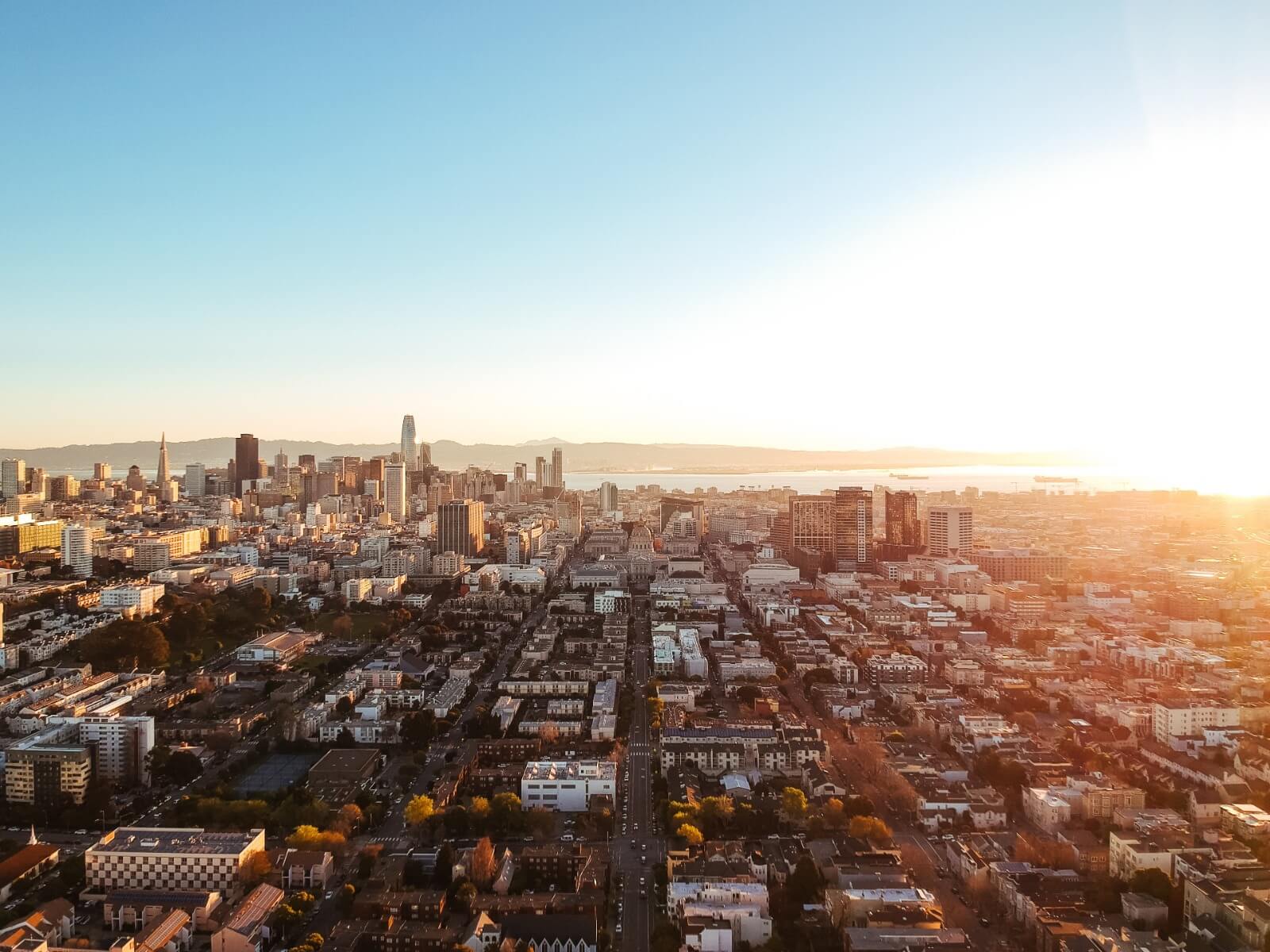
What is it like to live in Anza Vista?
Anza Vista offers quiet, centrally located residential living with a mix of mid-century homes, low-rise buildings, and newer developments. It feels peaceful, clean, and slightly removed from the busier surrounding districts.
What is the overall vibe or personality of Anza Vista?
The vibe is calm, practical, and understated with a strong residential character and minimal commercial activity within the neighborhood core.
Is Anza Vista safe?
The area is considered safe, with low violent crime and steady neighborhood activity typical of centrally located residential districts.
Who typically lives in Anza Vista (young professionals, families, retirees)?
Residents include professionals, medical employees from nearby campuses, families, and long-term homeowners who value quiet surroundings and central access.
How walkable is Anza Vista?
Walkability is moderate, with some hills and most conveniences located just outside the neighborhood boundaries.
Is Anza Vista generally quiet or busy?
The neighborhood is very quiet, with limited through-traffic and a secluded feel despite its central location.
How close is Anza Vista to grocery stores, essentials, and daily conveniences?
Grocery stores, pharmacies, and major retailers are available at the nearby City Center complex, as well as along Divisadero Street and Geary Boulevard.
How long is the commute from Anza Vista to major job centers or downtown?
Commutes to downtown usually take 10 to 20 minutes by car depending on traffic.
Is public transportation in Anza Vista easily accessible and reliable?
Public transportation access is strong, with multiple Muni lines running along nearby Geary, Turk, and Divisadero streets.
Are there good restaurants, cafés, shops, or parks near Anza Vista?
Dining and shopping options are found along Divisadero Street, in the NOPA and Lower Pacific Heights corridors, and at City Center.
What is the community vibe in Anza Vista like-laid-back, upscale, artistic, family-oriented?
The community vibe is friendly, calm, and neighbor-oriented, with many long-term residents and a stable residential base.
Are there local events or neighborhood gatherings in Anza Vista?
Local events are modest and generally tied to nearby community centers, schools, or larger neighborhood associations in adjacent districts.
Is Anza Vista dog-friendly?
The area is dog-friendly, with quiet residential streets and proximity to parks such as Raymond Kimbell Playground and the Panhandle.
What is the nightlife like in Anza Vista?
Nightlife is minimal within Anza Vista, but nearby Divisadero and NOPA offer bars, music venues, and restaurants.
Are there any notable local attractions or cultural spots in Anza Vista?
Notable attractions include the Kaiser and UCSF medical campuses, City Center retail complex, and quick access to the Panhandle.
How easy or difficult is it to find street parking in Anza Vista?
Street parking is generally moderate, with better availability than most central neighborhoods.
Do I need a residential parking permit in Anza Vista?
Residential parking permits are helpful in certain sections but not required throughout the entire neighborhood.
What is traffic like in Anza Vista during typical commute times?
Traffic is light within the interior and heavier on surrounding streets such as Geary Boulevard and Divisadero Street.
Are biking routes in Anza Vista safe and convenient?
Biking is convenient due to proximity to major bike routes, though hills and traffic on larger corridors require caution.
How noisy is Anza Vista during the day and night?
Noise levels are low on interior streets and moderate near major bordering roads.
Are there nearby businesses or traffic in Anza Vista that affect noise levels?
Noise increases on Geary Boulevard and Divisadero Street but remains minimal throughout the residential core.
What is the typical weather or microclimate in Anza Vista?
Anza Vista has a mild, partly sunny microclimate with less fog than western neighborhoods and comfortable temperatures year-round.
What is it like to live in Hayes Valley?
Hayes Valley offers vibrant, highly walkable urban living with boutique shopping, cafés, restaurants, and modern mixed-use housing. It feels lively, stylish, and centrally located with strong cultural influence.
What is the overall vibe or personality of Hayes Valley?
The vibe is trendy, creative, and energetic with a mix of young professionals, long-time residents, and an active dining and arts scene.
Is Hayes Valley safe?
The neighborhood is considered generally safe, with heavy foot traffic and strong visibility, though typical urban awareness is recommended at night.
Who typically lives in Hayes Valley (young professionals, families, retirees)?
Residents include young professionals, creatives, tech workers, and long-standing locals who value walkability, dining, and central convenience.
How walkable is Hayes Valley?
Walkability is excellent, with nearly all daily needs located within a few blocks.
Is Hayes Valley generally quiet or busy?
The neighborhood is busy in commercial areas and quieter on residential side streets.
How close is Hayes Valley to grocery stores, essentials, and daily conveniences?
Grocery stores, cafés, bakeries, boutiques, pharmacies, and everyday essentials are concentrated along Hayes Street and Octavia Boulevard.
How long is the commute from Hayes Valley to major job centers or downtown?
Commutes to downtown typically take 5 to 15 minutes by car or Muni depending on traffic.
Is public transportation in Hayes Valley easily accessible and reliable?
Public transportation access is strong with numerous Muni routes and close proximity to Van Ness Station and Civic Center BART.
Are there good restaurants, cafés, shops, or parks near Hayes Valley?
Dining and shopping options are abundant, with some of the city's most popular restaurants, boutiques, and dessert shops located in Hayes Valley.
What is the community vibe in Hayes Valley like-laid-back, upscale, artistic, family-oriented?
The community vibe is engaged, artistic, and active, with strong support for local businesses and neighborhood beautification.
Are there local events or neighborhood gatherings in Hayes Valley?
Local events include street fairs, pop-ups, community art projects, and events in Patricia's Green.
Is Hayes Valley dog-friendly?
Hayes Valley is dog-friendly with walkable streets, small parks, and proximity to larger green spaces like Alamo Square and the Panhandle.
What is the nightlife like in Hayes Valley?
Nightlife is lively but not overwhelming, with wine bars, cocktail lounges, and late-night dining available nearby.
Are there any notable local attractions or cultural spots in Hayes Valley?
Notable attractions include Patricia's Green, PROXY outdoor arts space, boutique shopping, and proximity to the SF Symphony, Opera, and Ballet.
How easy or difficult is it to find street parking in Hayes Valley?
Street parking is difficult due to high demand and limited availability.
Do I need a residential parking permit in Hayes Valley?
Residential parking permits are necessary in many sections to manage parking turnover.
What is traffic like in Hayes Valley during typical commute times?
Traffic is moderate to heavy near Hayes Street and Octavia Boulevard and lighter on residential streets.
Are biking routes in Hayes Valley safe and convenient?
Biking is convenient with bike-friendly streets and nearby access to major city bike routes, though traffic on busy corridors requires caution.
How noisy is Hayes Valley during the day and night?
Noise levels are moderate to high near commercial corridors and low on deeper residential blocks.
Are there nearby businesses or traffic in Hayes Valley that affect noise levels?
Noise increases around Hayes Street, Octavia Boulevard, and nightlife spots.
What is the typical weather or microclimate in Hayes Valley?
Hayes Valley has a mild microclimate with more sunshine and less fog than western neighborhoods and comfortable temperatures year-round.
What is it like to live in Lower Pacific Heights?
Lower Pacific Heights offers centrally located urban living with a mix of classic Victorian homes, modern condos, and active commercial corridors. It feels vibrant and convenient while still maintaining quiet residential pockets.
What is the overall vibe or personality of Lower Pacific Heights?
The vibe is lively, diverse, and stylish with strong neighborhood identity and easy access to dining, shopping, and transit.
Is Lower Pacific Heights safe?
The neighborhood is generally safe, with active foot traffic and well-patrolled commercial areas, though typical city awareness is recommended.
Who typically lives in Lower Pacific Heights (young professionals, families, retirees)?
Residents include young professionals, families, medical staff from nearby hospitals, and long-term homeowners who value central access and walkability.
How walkable is Lower Pacific Heights?
Walkability is excellent, especially near Fillmore Street, which offers shops, cafés, markets, and services all within close reach.
Is Lower Pacific Heights generally quiet or busy?
The neighborhood is moderately quiet on residential streets and busier around commercial corridors.
How close is Lower Pacific Heights to grocery stores, essentials, and daily conveniences?
Grocery stores, pharmacies, cafés, and daily services are abundant along Fillmore Street, California Street, and nearby Japantown.
How long is the commute from Lower Pacific Heights to major job centers or downtown?
Commutes to downtown typically take 10 to 20 minutes depending on traffic and route.
Is public transportation in Lower Pacific Heights easily accessible and reliable?
Public transportation access is strong, with multiple Muni routes running along California, Geary, and Divisadero Streets.
Are there good restaurants, cafés, shops, or parks near Lower Pacific Heights?
Dining and shopping options include numerous restaurants, boutiques, fitness studios, and specialty markets along the Fillmore corridor.
What is the community vibe in Lower Pacific Heights like-laid-back, upscale, artistic, family-oriented?
The community vibe is friendly, energetic, and locally engaged, with strong support for small businesses and cultural events.
Are there local events or neighborhood gatherings in Lower Pacific Heights?
Local events include Fillmore Street festivals, Japantown cultural events, outdoor markets, and occasional neighborhood gatherings.
Is Lower Pacific Heights dog-friendly?
The area is dog-friendly with walkable streets and proximity to parks such as Lafayette Park and Alta Plaza Park.
What is the nightlife like in Lower Pacific Heights?
Nightlife is moderate, with wine bars, lounges, and restaurants offering evening activity without being overly loud.
Are there any notable local attractions or cultural spots in Lower Pacific Heights?
Notable attractions include the Fillmore commercial district, Japantown, nearby music venues, and close proximity to larger parks in Pacific Heights.
How easy or difficult is it to find street parking in Lower Pacific Heights?
Street parking is moderate to difficult depending on proximity to Fillmore Street. Residential blocks farther from commercial areas have better availability.
Do I need a residential parking permit in Lower Pacific Heights?
Residential parking permits are commonly used to manage demand around busy corridors.
What is traffic like in Lower Pacific Heights during typical commute times?
Traffic is moderate on major streets like Fillmore, Divisadero, and Geary and lighter on residential streets.
Are biking routes in Lower Pacific Heights safe and convenient?
Biking is convenient with several bike-friendly routes nearby, though traffic on major corridors requires caution.
How noisy is Lower Pacific Heights during the day and night?
Noise levels are moderate near commercial areas and low on deeper residential streets.
Are there nearby businesses or traffic in Lower Pacific Heights that affect noise levels?
Noise increases near Fillmore Street, Geary Boulevard, and areas close to restaurants and nightlife.
What is the typical weather or microclimate in Lower Pacific Heights?
Lower Pacific Heights has a mild and mostly sunny microclimate with less fog than western neighborhoods and comfortable temperatures year-round.
What is it like to live in Western Addition?
The Western Addition offers culturally rich urban living with a diverse mix of housing, historic architecture, and access to major commercial corridors. It feels active, central, and community-oriented with a strong sense of neighborhood identity.
What is the overall vibe or personality of Western Addition?
The vibe is diverse, energetic, and historically rooted with influences from nearby Japantown, the Fillmore, and Hayes Valley.
Is Western Addition safe?
The area is generally safe, with increased activity around commercial corridors and a stable residential presence on most interior streets.
Who typically lives in Western Addition (young professionals, families, retirees)?
Residents include young professionals, families, longtime locals, and individuals who value cultural diversity and central access.
How walkable is Western Addition?
Walkability is strong, especially near Fillmore Street, Japan Center, and other commercial hubs.
Is Western Addition generally quiet or busy?
The neighborhood is moderately busy, with quieter pockets on residential streets and more activity around entertainment and dining areas.
How close is Western Addition to grocery stores, essentials, and daily conveniences?
Grocery stores, pharmacies, markets, and cafés are available throughout the neighborhood, especially on Fillmore Street and in Japantown.
How long is the commute from Western Addition to major job centers or downtown?
Commutes to downtown typically take 10 to 20 minutes by car or Muni depending on traffic.
Is public transportation in Western Addition easily accessible and reliable?
Public transportation access is excellent, with multiple Muni bus lines and close proximity to nearby BART stations.
Are there good restaurants, cafés, shops, or parks near Western Addition?
Dining and shopping options include diverse restaurants, boutique shops, music venues, Japantown malls, and Fillmore Street businesses.
What is the community vibe in Western Addition like-laid-back, upscale, artistic, family-oriented?
The community vibe is engaged, expressive, and culturally vibrant with strong local pride and active neighborhood organizations.
Are there local events or neighborhood gatherings in Western Addition?
Local events include street fairs, community festivals, Japantown cultural celebrations, and live music events along the Fillmore corridor.
Is Western Addition dog-friendly?
The area is dog-friendly, with access to nearby parks such as Jefferson Square Park, Raymond Kimbell Playground, and the Panhandle.
What is the nightlife like in Western Addition?
Nightlife is lively in certain sections, with bars, lounges, and music venues, especially around Fillmore Street.
Are there any notable local attractions or cultural spots in Western Addition?
Notable attractions include the Fillmore Jazz District, Japantown Peace Plaza, historic churches, and nearby cultural venues.
How easy or difficult is it to find street parking in Western Addition?
Street parking is moderate to difficult depending on proximity to commercial and nightlife areas.
Do I need a residential parking permit in Western Addition?
Residential parking permits are common and often necessary to manage demand near busy corridors.
What is traffic like in Western Addition during typical commute times?
Traffic is moderate to heavy along major arteries such as Geary Boulevard, Fillmore Street, and Divisadero Street, and lighter on residential blocks.
Are biking routes in Western Addition safe and convenient?
Biking is convenient with access to bike-friendly streets, though traffic volume varies significantly across the neighborhood.
How noisy is Western Addition during the day and night?
Noise levels range from moderate to high near commercial areas and remain low to moderate on residential streets.
Are there nearby businesses or traffic in Western Addition that affect noise levels?
Noise increases near Fillmore Street, Japantown, and major thoroughfares due to traffic, nightlife, and events.
What is the typical weather or microclimate in Western Addition?
The microclimate is mild and mostly sunny with occasional fog, warmer than western neighborhoods but cooler than the Mission.
What is it like to live in Alamo Square?
Alamo Square offers classic San Francisco living centered around one of the city's most iconic parks and Victorian architecture. It feels scenic, community-focused, and centrally located with both quiet residential blocks and vibrant nearby corridors.
What is the overall vibe or personality of Alamo Square?
The vibe is historic, friendly, and visually striking, with a blend of longtime residents, young professionals, and parkgoers.
Is Alamo Square safe?
The area is generally safe, though typical city awareness is recommended due to high visitor activity near Alamo Square Park.
Who typically lives in Alamo Square (young professionals, families, retirees)?
Residents include professionals, families, and long-term homeowners who appreciate the park, architecture, and central access.
How walkable is Alamo Square?
Walkability is excellent, with access to parks, cafés, and commercial streets within a few blocks.
Is Alamo Square generally quiet or busy?
The neighborhood is moderately quiet on residential streets and busier around the park and commercial edges.
How close is Alamo Square to grocery stores, essentials, and daily conveniences?
Grocery stores, cafés, restaurants, and essential services are found along Divisadero Street, Hayes Street, and nearby Fillmore Street.
How long is the commute from Alamo Square to major job centers or downtown?
Commutes to downtown typically take 10 to 20 minutes depending on traffic and transit.
Is public transportation in Alamo Square easily accessible and reliable?
Public transportation access is strong, with several Muni bus lines connecting to downtown and surrounding neighborhoods.
Are there good restaurants, cafés, shops, or parks near Alamo Square?
Dining and shopping options include popular restaurants on Divisadero and Hayes, along with boutique shops and neighborhood cafés.
What is the community vibe in Alamo Square like-laid-back, upscale, artistic, family-oriented?
The community vibe is active and neighbor-oriented, with residents frequently gathering in and around the park.
Are there local events or neighborhood gatherings in Alamo Square?
Local events include neighborhood meetups, park gatherings, community clean-ups, and seasonal activities.
Is Alamo Square dog-friendly?
The area is very dog-friendly, with Alamo Square Park serving as a major hub for dog owners.
What is the nightlife like in Alamo Square?
Nightlife is moderate, with bars and restaurants on Divisadero and Hayes providing evening activity.
Are there any notable local attractions or cultural spots in Alamo Square?
Notable attractions include the Painted Ladies, Alamo Square Park, nearby music venues, and historic Victorian architecture throughout the district.
How easy or difficult is it to find street parking in Alamo Square?
Street parking is moderate to challenging due to demand from residents and visitors to the park.
Do I need a residential parking permit in Alamo Square?
Residential parking permits are commonly used to manage parking turnover around major park and commercial areas.
What is traffic like in Alamo Square during typical commute times?
Traffic is moderate near Divisadero Street and around the park, and lighter on interior residential blocks.
Are biking routes in Alamo Square safe and convenient?
Biking is convenient with access to bike-friendly routes along the Panhandle and nearby connections to major corridors.
How noisy is Alamo Square during the day and night?
Noise levels are moderate near the park and commercial streets and low on deeper residential blocks.
Are there nearby businesses or traffic in Alamo Square that affect noise levels?
Noise increases during busy hours at Alamo Square Park and along Divisadero Street.
What is the typical weather or microclimate in Alamo Square?
Alamo Square has a mild microclimate with a mix of sun and light fog, generally sunnier than western districts but cooler than the Mission.
What is it like to live in North Panhandle?
North Panhandle offers vibrant, walkable residential living centered around the Panhandle greenway and close to several major commercial corridors. It feels lively, youthful, and community-oriented with excellent access to parks and transit.
What is the overall vibe or personality of North Panhandle?
The vibe is energetic, diverse, and social with strong neighborhood identity and an active café and restaurant culture.
Is North Panhandle safe?
The area is generally safe, with steady foot traffic and active streets, though awareness is recommended near busier corridors.
Who typically lives in North Panhandle (young professionals, families, retirees)?
Residents include young professionals, families, students, and longtime locals who value walkability, parks, and central access.
How walkable is North Panhandle?
Walkability is excellent, especially near the Panhandle and Divisadero Street where most amenities are located.
Is North Panhandle generally quiet or busy?
The neighborhood is moderately quiet on residential streets and busier near Divisadero and Fell/Oak corridors.
How close is North Panhandle to grocery stores, essentials, and daily conveniences?
Grocery stores, markets, cafés, bars, and essential services are available along Divisadero Street, Haight Street, and in nearby Alamo Square and Haight Ashbury.
How long is the commute from North Panhandle to major job centers or downtown?
Commutes to downtown typically take 10 to 20 minutes depending on traffic and transit.
Is public transportation in North Panhandle easily accessible and reliable?
Public transportation access is strong, with multiple Muni bus lines along major streets and quick connections to Muni Metro.
Are there good restaurants, cafés, shops, or parks near North Panhandle?
Dining and shopping options are extensive, especially on Divisadero Street where popular restaurants and boutiques anchor the neighborhood.
What is the community vibe in North Panhandle like-laid-back, upscale, artistic, family-oriented?
The community vibe is friendly, active, and locally connected, with residents frequently using the Panhandle for recreation.
Are there local events or neighborhood gatherings in North Panhandle?
Local events include street fairs, community meetups, park clean-ups, and neighborhood social gatherings.
Is North Panhandle dog-friendly?
The area is very dog-friendly with the Panhandle offering excellent walking and running routes.
What is the nightlife like in North Panhandle?
Nightlife is lively but controlled, with bars, breweries, and late-night eateries concentrated along Divisadero and Haight.
Are there any notable local attractions or cultural spots in North Panhandle?
Notable attractions include the Panhandle, nearby Golden Gate Park access, Divisadero Street restaurants, and close reach to Alamo Square.
How easy or difficult is it to find street parking in North Panhandle?
Street parking is moderate to difficult, especially near Divisadero and Fell/Oak corridors.
Do I need a residential parking permit in North Panhandle?
Residential parking permits are widely used throughout the neighborhood due to high demand.
What is traffic like in North Panhandle during typical commute times?
Traffic is heavier along Fell and Oak, moderate on Divisadero, and light on interior residential streets.
Are biking routes in North Panhandle safe and convenient?
Biking is excellent, with the Panhandle bike path serving as a major east-west connector to Golden Gate Park and the Wiggle.
How noisy is North Panhandle during the day and night?
Noise levels are moderate near busy streets and low on deeper residential blocks.
Are there nearby businesses or traffic in North Panhandle that affect noise levels?
Noise increases along Fell, Oak, Divisadero, and Haight Streets due to traffic and commercial activity.
What is the typical weather or microclimate in North Panhandle?
North Panhandle has a mild, partly sunny microclimate with moderate fog and comfortable temperatures year-round.
How close is North Panhandle to grocery stores, essentials, and daily conveniences?
North