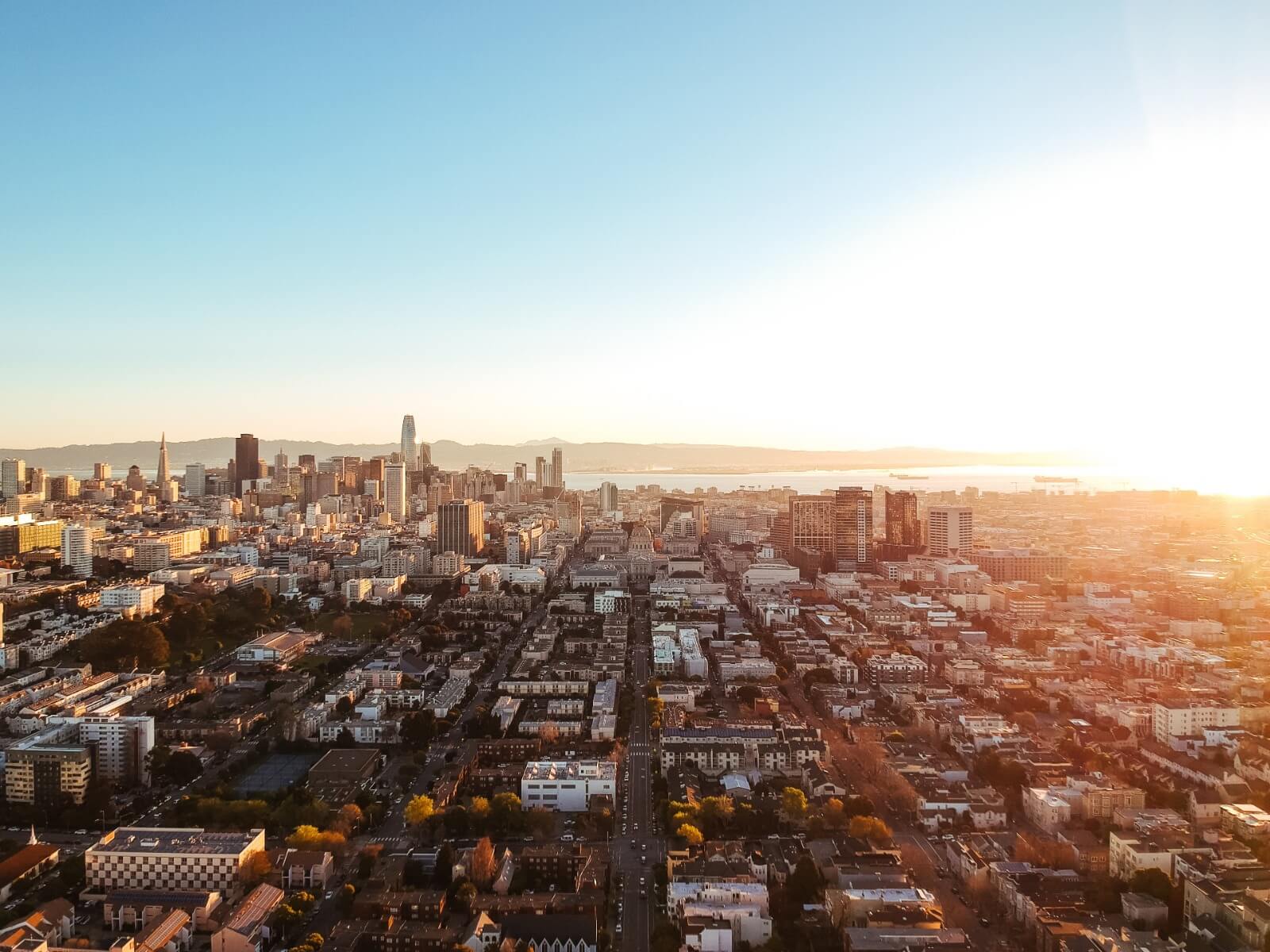
What is it like to live in Bayview?
Bayview offers spacious, sunny urban living with a strong community presence, growing commercial corridors, and a mix of single-family homes and new developments. It feels residential, culturally rich, and more relaxed than many central neighborhoods.
What is the overall vibe or personality of Bayview?
The vibe is diverse, creative, and community-focused with an active arts scene and strong neighborhood pride.
Is Bayview safe?
Safety varies by block. Some areas are stable and family-oriented, while others experience higher crime, so awareness is recommended.
Who typically lives in Bayview (young professionals, families, retirees)?
Residents include families, longtime locals, artists, young professionals, and individuals seeking larger homes and more outdoor space.
How walkable is Bayview?
Walkability is moderate, strongest near Third Street and close to new development areas.
Is Bayview generally quiet or busy?
The neighborhood is generally quiet on residential streets and more active near commercial corridors.
How close is Bayview to grocery stores, essentials, and daily conveniences?
Grocery stores, corner markets, cafés, and essential services are available along Third Street and in nearby Portola and Dogpatch.
How long is the commute from Bayview to major job centers or downtown?
Commutes to downtown typically take 15 to 30 minutes depending on traffic.
Is public transportation in Bayview easily accessible and reliable?
Public transportation access is strong along Third Street with the T Third light rail, plus multiple bus routes.
Are there good restaurants, cafés, shops, or parks near Bayview?
Dining and shopping options include new restaurants, cafés, breweries, and neighborhood shops along Third Street and in nearby Dogpatch and Mission Bay.
What is the community vibe in Bayview like-laid-back, upscale, artistic, family-oriented?
The community vibe is friendly, proud, and engaged, with many long-standing neighborhood organizations and local artists.
Are there local events or neighborhood gatherings in Bayview?
Local events include community festivals, art walks, farmers markets, and programs at the Bayview Opera House.
Is Bayview dog-friendly?
The area is dog-friendly, with multiple parks, trails, and easy access to Heron's Head Park and India Basin.
What is the nightlife like in Bayview?
Nightlife is modest, with casual bars, breweries, and restaurants; most residents visit Dogpatch or Mission Bay for larger nightlife scenes.
Are there any notable local attractions or cultural spots in Bayview?
Notable attractions include the Bayview Opera House, India Basin Shoreline Park, Heron's Head Park, and Yosemite Slough restoration areas.
How easy or difficult is it to find street parking in Bayview?
Street parking is generally easy compared to central neighborhoods, with more availability on residential blocks.
Do I need a residential parking permit in Bayview?
Residential parking permits are not widely required except near commercial corridors.
What is traffic like in Bayview during typical commute times?
Traffic is moderate along Third Street, Evans Avenue, and Cargo Way and light on residential side streets.
Are biking routes in Bayview safe and convenient?
Biking is strong along the Bay Trail, Cargo Way, and new waterfront paths, though some industrial roads require caution.
How noisy is Bayview during the day and night?
Noise levels are low to moderate depending on proximity to industrial zones.
Are there nearby businesses or traffic in Bayview that affect noise levels?
Noise increases near Cargo Way, Evans Avenue, and active commercial areas.
What is the typical weather or microclimate in Bayview?
Bayview has one of the warmest and sunniest microclimates in San Francisco, with minimal fog and consistently warm afternoons.
What is it like to live in Crocker Amazon?
Crocker Amazon offers suburban-style living with larger homes, wider streets, and easy access to parks and athletic fields. It feels family-oriented, quiet, and more spacious compared to central San Francisco neighborhoods.
What is the overall vibe or personality of Crocker Amazon?
The vibe is relaxed, residential, and community-driven with a diverse population and strong neighborhood stability.
Is Crocker Amazon safe?
The area is considered generally safe, with low violent crime and a calm residential environment, though awareness is recommended near busier corridors.
Who typically lives in Crocker Amazon (young professionals, families, retirees)?
Residents include families, longtime homeowners, young professionals, and individuals seeking more space and affordability.
How walkable is Crocker Amazon?
Walkability is moderate, strongest near Mission Street and Geneva Avenue where most amenities are located.
Is Crocker Amazon generally quiet or busy?
The neighborhood is quiet, with busier activity around commercial streets and parks.
How close is Crocker Amazon to grocery stores, essentials, and daily conveniences?
Grocery stores, markets, cafés, and essential services are available along Mission Street, Geneva Avenue, and nearby in the Outer Mission and Excelsior.
How long is the commute from Crocker Amazon to major job centers or downtown?
Commutes to downtown typically take 20 to 40 minutes depending on traffic and transit choice.
Is public transportation in Crocker Amazon easily accessible and reliable?
Public transportation access is strong, with multiple Muni lines and nearby Balboa Park BART providing fast connections.
Are there good restaurants, cafés, shops, or parks near Crocker Amazon?
Dining and shopping options include neighborhood restaurants, cafés, bakeries, and markets along Mission and Geneva.
What is the community vibe in Crocker Amazon like-laid-back, upscale, artistic, family-oriented?
The community vibe is friendly, family-focused, and cohesive, supported by local organizations and active park usage.
Are there local events or neighborhood gatherings in Crocker Amazon?
Local events include youth sports, community fairs, cultural activities, and gatherings at Crocker Amazon Playground and McLaren Park.
Is Crocker Amazon dog-friendly?
The area is dog-friendly, with large open spaces nearby including Crocker Amazon Fields and McLaren Park trails.
What is the nightlife like in Crocker Amazon?
Nightlife is limited and centered around casual bars and restaurants; most residents travel to Mission or Bernal Heights for more options.
Are there any notable local attractions or cultural spots in Crocker Amazon?
Notable attractions include Crocker Amazon Playground, McLaren Park, the Jerry Garcia Amphitheater, and nearby athletic fields.
How easy or difficult is it to find street parking in Crocker Amazon?
Street parking is generally easy due to wider streets and lower density than central neighborhoods.
Do I need a residential parking permit in Crocker Amazon?
Residential parking permits are not widely required except near commercial corridors.
What is traffic like in Crocker Amazon during typical commute times?
Traffic is moderate along Geneva Avenue and Mission Street and light on residential blocks.
Are biking routes in Crocker Amazon safe and convenient?
Biking is convenient with access to McLaren Park trails and bike routes, though some streets near commercial areas require caution.
How noisy is Crocker Amazon during the day and night?
Noise levels are low on most residential streets and moderate near athletic fields and commercial corridors.
Are there nearby businesses or traffic in Crocker Amazon that affect noise levels?
Noise increases around Mission Street, Geneva Avenue, and park areas during events.
What is the typical weather or microclimate in Crocker Amazon?
Crocker Amazon has a warmer, sunnier microclimate with minimal fog compared to western neighborhoods.
What is it like to live in Excelsior?
The Excelsior offers diverse, community-oriented residential living with a wide range of single-family homes, mixed-use corridors, and strong neighborhood identity. It feels welcoming, practical, and more suburban than many central neighborhoods.
What is the overall vibe or personality of Excelsior?
The vibe is friendly, multicultural, and family-focused with long-term residents and a strong local presence.
Is Excelsior safe?
The area is considered generally safe, though safety can vary by block and typical urban awareness is recommended near commercial corridors.
Who typically lives in Excelsior (young professionals, families, retirees)?
Residents include families, working professionals, longtime locals, and individuals seeking more space and affordability.
How walkable is Excelsior?
Walkability is moderate, strongest along Mission Street, Geneva Avenue, and outer Alemany Boulevard.
Is Excelsior generally quiet or busy?
The neighborhood is quiet on residential streets and more active near commercial corridors and schools.
How close is Excelsior to grocery stores, essentials, and daily conveniences?
Grocery stores, markets, bakeries, pharmacies, and essential services are available along Mission Street, Geneva Avenue, and nearby Ocean Avenue.
How long is the commute from Excelsior to major job centers or downtown?
Commutes to downtown typically take 20 to 40 minutes depending on traffic and transit options.
Is public transportation in Excelsior easily accessible and reliable?
Public transportation access is strong with multiple Muni bus routes and quick access to Balboa Park BART.
Are there good restaurants, cafés, shops, or parks near Excelsior?
Dining and shopping options include a diverse mix of international restaurants, local cafés, and neighborhood shops.
What is the community vibe in Excelsior like-laid-back, upscale, artistic, family-oriented?
The community vibe is warm, engaged, and multigenerational, with strong participation in local organizations and cultural events.
Are there local events or neighborhood gatherings in Excelsior?
Local events include street fairs, cultural festivals, farmers markets, and activities at Excelsior Playground and Crocker Amazon Park.
Is Excelsior dog-friendly?
The area is dog-friendly, with access to McLaren Park, Crocker Amazon Fields, and walkable residential routes.
What is the nightlife like in Excelsior?
Nightlife is limited, with most activity centered around casual bars and restaurants; many residents go to the Mission or Glen Park for more options.
Are there any notable local attractions or cultural spots in Excelsior?
Notable attractions include McLaren Park, the Jerry Garcia Amphitheater, Excelsior Playground, and nearby access to trails and open space.
How easy or difficult is it to find street parking in Excelsior?
Street parking is generally easy due to wider streets and lower density.
Do I need a residential parking permit in Excelsior?
Residential parking permits are not widely needed except near certain busy corridors.
What is traffic like in Excelsior during typical commute times?
Traffic is moderate along Mission Street and Geneva Avenue and light on residential streets.
Are biking routes in Excelsior safe and convenient?
Biking is accessible with nearby park trails and bike routes, though traffic on commercial streets requires caution.
How noisy is Excelsior during the day and night?
Noise levels are low on residential streets and moderate near parks, schools, and commercial areas.
Are there nearby businesses or traffic in Excelsior that affect noise levels?
Noise increases around Mission Street, Geneva Avenue, and busy playgrounds or athletic fields.
What is the typical weather or microclimate in Excelsior?
The Excelsior has a warm, sunny microclimate with minimal fog and comfortable afternoons throughout most of the year.
What is it like to live in Outer Mission?
The Outer Mission offers practical, residential living with a mix of single-family homes, small apartment buildings, and active commercial corridors. It feels diverse, community-oriented, and more suburban than central San Francisco neighborhoods.
What is the overall vibe or personality of Outer Mission?
The vibe is friendly, multicultural, and family-focused with a strong local identity.
Is Outer Mission safe?
The area is generally safe, though safety varies by block and awareness is recommended near busier intersections.
Who typically lives in Outer Mission (young professionals, families, retirees)?
Residents include families, longtime homeowners, working professionals, and individuals seeking more space and relative affordability.
How walkable is Outer Mission?
Walkability is moderate, strongest along Mission Street and Geneva Avenue where most shops and services are located.
Is Outer Mission generally quiet or busy?
The neighborhood is quiet on residential blocks and more active around commercial areas and transit hubs.
How close is Outer Mission to grocery stores, essentials, and daily conveniences?
Grocery stores, corner markets, pharmacies, and daily services are available along Mission Street, Geneva Avenue, and outer Alemany Boulevard.
How long is the commute from Outer Mission to major job centers or downtown?
Commutes to downtown typically take 20 to 40 minutes by car or transit.
Is public transportation in Outer Mission easily accessible and reliable?
Public transportation access is strong with multiple Muni lines and close proximity to Balboa Park BART Station.
Are there good restaurants, cafés, shops, or parks near Outer Mission?
Dining and shopping options include a wide range of international restaurants, local cafés, bakeries, and small neighborhood shops.
What is the community vibe in Outer Mission like-laid-back, upscale, artistic, family-oriented?
The community vibe is welcoming, tight-knit, and multigenerational with active engagement in schools, churches, and local organizations.
Are there local events or neighborhood gatherings in Outer Mission?
Local events include street fairs, cultural festivals, community clean-ups, and activities at neighborhood parks.
Is Outer Mission dog-friendly?
The area is dog-friendly, with access to nearby McLaren Park, Balboa Park, and walkable residential streets.
What is the nightlife like in Outer Mission?
Nightlife is modest, with a few bars and restaurants; residents often travel to the Mission, Glen Park, or Bernal Heights for more options.
Are there any notable local attractions or cultural spots in Outer Mission?
Notable attractions include Balboa Park, McLaren Park, the Geneva Car Barn and Powerhouse, and convenient access to BART.
How easy or difficult is it to find street parking in Outer Mission?
Street parking is generally easier than in central neighborhoods due to wider streets and lower density.
Do I need a residential parking permit in Outer Mission?
Residential parking permits are not widely required except near certain commercial corridors or transit hubs.
What is traffic like in Outer Mission during typical commute times?
Traffic is moderate on Mission Street and Geneva Avenue and lighter within residential sections.
Are biking routes in Outer Mission safe and convenient?
Biking is accessible with connections to park trails and bike lanes, though caution is advised on busier commercial streets.
How noisy is Outer Mission during the day and night?
Noise levels are low on residential blocks and moderate near parks, schools, and busy corridors.
Are there nearby businesses or traffic in Outer Mission that affect noise levels?
Noise increases around Mission Street, Geneva Avenue, and major intersections.
What is the typical weather or microclimate in Outer Mission?
The Outer Mission enjoys a warm, sunny microclimate with minimal fog and consistently comfortable temperatures throughout much of the year.
What is it like to live in Visitacion Valley?
Visitacion Valley offers spacious, residential living with a small-town feel, broader streets, and a strong sense of community. It feels relaxed, family-oriented, and more affordable than many central San Francisco neighborhoods.
What is the overall vibe or personality of Visitacion Valley?
The vibe is friendly, diverse, and community-focused with a stable residential character.
Is Visitacion Valley safe?
The area is generally safe, though safety varies by block and typical urban awareness is recommended near busier corridors.
Who typically lives in Visitacion Valley (young professionals, families, retirees)?
Residents include families, longtime homeowners, students, working professionals, and individuals seeking more space and value.
How walkable is Visitacion Valley?
Walkability is moderate, strongest near Leland Avenue and along Sunnydale and Visitacion Avenue.
Is Visitacion Valley generally quiet or busy?
The neighborhood is quiet on residential streets and more active around commercial corridors and schools.
How close is Visitacion Valley to grocery stores, essentials, and daily conveniences?
Grocery stores, markets, bakeries, and essential services are concentrated along Leland Avenue and nearby Bayshore Boulevard.
How long is the commute from Visitacion Valley to major job centers or downtown?
Commutes to downtown typically take 25 to 45 minutes by car or transit.
Is public transportation in Visitacion Valley easily accessible and reliable?
Public transportation access includes multiple Muni lines and Caltrain at the Bayshore station, offering regional connectivity.
Are there good restaurants, cafés, shops, or parks near Visitacion Valley?
Dining and shopping options include neighborhood restaurants, cafés, and small shops along Leland Avenue and in nearby Portola and Bayview.
What is the community vibe in Visitacion Valley like-laid-back, upscale, artistic, family-oriented?
The community vibe is engaged, inclusive, and multigenerational with strong involvement from local organizations.
Are there local events or neighborhood gatherings in Visitacion Valley?
Local events include neighborhood festivals, cultural celebrations, and community gatherings along Leland Avenue and in neighborhood parks.
Is Visitacion Valley dog-friendly?
The area is dog-friendly, with parks, greenways, and access to McLaren Park and nearby trails.
What is the nightlife like in Visitacion Valley?
Nightlife is limited, with most activity centered around local eateries; residents often visit nearby neighborhoods for more options.
Are there any notable local attractions or cultural spots in Visitacion Valley?
Notable attractions include McLaren Park's extensive trail system, Visitacion Valley Greenway, Herz Playground, and Sunnydale's open-space improvements.
How easy or difficult is it to find street parking in Visitacion Valley?
Street parking is generally easy due to wider streets and lower density.
Do I need a residential parking permit in Visitacion Valley?
Residential parking permits are not widely required except near certain busy corridors.
What is traffic like in Visitacion Valley during typical commute times?
Traffic is moderate around Bayshore Boulevard and Sunnydale Avenue and lighter within residential sections.
Are biking routes in Visitacion Valley safe and convenient?
Biking is accessible with growing greenway connections and flat routes, though some main corridors require caution.
How noisy is Visitacion Valley during the day and night?
Noise levels are low on residential streets and moderate near commercial areas and park entrances.
Are there nearby businesses or traffic in Visitacion Valley that affect noise levels?
Noise increases around Bayshore Boulevard, Leland Avenue, and school zones during peak hours.
What is the typical weather or microclimate in Visitacion Valley?
Visitacion Valley enjoys a warm, sunny microclimate with minimal fog and some of the most pleasant weather in the southeastern part of the city.
What is it like to live in Portola?
Portola offers quiet, residential living with a strong neighborhood feel, well-kept single-family homes, and access to parks and green space. It feels peaceful, family-oriented, and slightly tucked away while still providing good city access.
What is the overall vibe or personality of Portola?
The vibe is friendly, diverse, and community-focused with many longtime residents and active neighborhood pride.
Is Portola safe?
The area is generally safe, with low to moderate crime levels and a stable residential environment.
Who typically lives in Portola (young professionals, families, retirees)?
Residents include families, retirees, longtime homeowners, young professionals, and individuals who value outdoor space and affordability.
How walkable is Portola?
Walkability is moderate, strongest near San Bruno Avenue where most shops and services are located.
Is Portola generally quiet or busy?
The neighborhood is quiet throughout most residential blocks and more active near commercial areas and schools.
How close is Portola to grocery stores, essentials, and daily conveniences?
Grocery stores, markets, bakeries, cafés, and essential services are available along San Bruno Avenue and in nearby Visitacion Valley and Excelsior.
How long is the commute from Portola to major job centers or downtown?
Commutes to downtown typically take 20 to 35 minutes depending on route and traffic.
Is public transportation in Portola easily accessible and reliable?
Public transportation access is solid, with multiple Muni lines and nearby Glen Park BART and Balboa Park BART providing fast citywide connections.
Are there good restaurants, cafés, shops, or parks near Portola?
Dining and shopping options include local restaurants, bakeries, produce markets, and small shops on San Bruno Avenue.
What is the community vibe in Portola like-laid-back, upscale, artistic, family-oriented?
The community vibe is warm, supportive, and engaged, with active neighborhood associations and families who have lived in the area for generations.
Are there local events or neighborhood gatherings in Portola?
Local events include neighborhood clean-ups, cultural celebrations, community gatherings, and activities centered around McLaren Park.
Is Portola dog-friendly?
The area is very dog-friendly, with convenient access to McLaren Park trails, open spaces, and neighborhood streets for daily walks.
What is the nightlife like in Portola?
Nightlife is limited, with most activity centered on casual local dining; residents often visit Bernal Heights or Mission for broader options.
Are there any notable local attractions or cultural spots in Portola?
Notable attractions include McLaren Park, the Jerry Garcia Amphitheater, Louis Sutter Playground, and nearby Palega Recreation Center.
How easy or difficult is it to find street parking in Portola?
Street parking is generally easy due to wider streets and lower density compared to central neighborhoods.
Do I need a residential parking permit in Portola?
Residential parking permits are not widely required, except in certain areas near busy corridors.
What is traffic like in Portola during typical commute times?
Traffic is moderate on San Bruno Avenue and light within residential sections.
Are biking routes in Portola safe and convenient?
Biking is convenient with access to park trails and gentle slopes, though some commercial corridors require caution.
How noisy is Portola during the day and night?
Noise levels are low on residential streets and moderate near parks, schools, and commercial areas.
Are there nearby businesses or traffic in Portola that affect noise levels?
Noise increases around San Bruno Avenue and near McLaren Park's active areas.
What is the typical weather or microclimate in Portola?
Portola has a warm, sunny microclimate with minimal fog and comfortable temperatures throughout most of the year.
What is it like to live in Silver Terrace?
Silver Terrace offers residential hillside living with a mix of single-family homes, spacious yards, and wide streets. It feels quiet, sunny, and community-oriented with strong neighborhood stability.
What is the overall vibe or personality of Silver Terrace?
The vibe is relaxed, family-focused, and diverse, with a blend of long-term residents and newer homeowners.
Is Silver Terrace safe?
The area is generally safe, with a calm residential environment, though some pockets near industrial edges require typical urban awareness.
Who typically lives in Silver Terrace (young professionals, families, retirees)?
Residents include families, working professionals, longtime locals, and individuals seeking more space and value.
How walkable is Silver Terrace?
Walkability is moderate, strongest along Silver Avenue and near neighborhood parks.
Is Silver Terrace generally quiet or busy?
The neighborhood is quiet on most residential blocks and more active near commercial streets and community facilities.
How close is Silver Terrace to grocery stores, essentials, and daily conveniences?
Grocery stores, markets, cafés, and essential services are available along Silver Avenue, San Bruno Avenue, and nearby in Portola and Bayview.
How long is the commute from Silver Terrace to major job centers or downtown?
Commutes to downtown take 15 to 30 minutes depending on traffic and route.
Is public transportation in Silver Terrace easily accessible and reliable?
Public transportation access includes multiple Muni bus lines along Silver Avenue and close proximity to the T Third line in nearby Bayview.
Are there good restaurants, cafés, shops, or parks near Silver Terrace?
Dining and shopping options include neighborhood restaurants, bakeries, cafés, and access to expanding offerings in Bayview and Portola.
What is the community vibe in Silver Terrace like-laid-back, upscale, artistic, family-oriented?
The community vibe is welcoming, stable, and family-centric with strong involvement in local schools and community organizations.
Are there local events or neighborhood gatherings in Silver Terrace?
Local events include community clean-ups, small festivals, and family activities at nearby parks and recreation centers.
Is Silver Terrace dog-friendly?
The area is dog-friendly, with access to McLaren Park, Bayview Park, and walkable residential streets.
What is the nightlife like in Silver Terrace?
Nightlife is minimal, with most residents visiting nearby neighborhoods for more options.
Are there any notable local attractions or cultural spots in Silver Terrace?
Notable attractions include Bayview Park, Silver Terrace Playground, nearby McLaren Park, and quick access to southeastern waterfront areas.
How easy or difficult is it to find street parking in Silver Terrace?
Street parking is generally easy due to wide streets and lower density than central neighborhoods.
Do I need a residential parking permit in Silver Terrace?
Residential parking permits are not widely required except near certain busier corridors.
What is traffic like in Silver Terrace during typical commute times?
Traffic is light on residential streets and moderate along Silver Avenue and Bayshore Boulevard.
Are biking routes in Silver Terrace safe and convenient?
Biking is convenient on quieter residential streets, with connections to nearby park trails and flat routes, though some main corridors require caution.
How noisy is Silver Terrace during the day and night?
Noise levels are low on residential blocks and moderate near industrial edges and commercial corridors.
Are there nearby businesses or traffic in Silver Terrace that affect noise levels?
Noise increases near Silver Avenue, Bayshore Boulevard, and parks during active hours.
What is the typical weather or microclimate in Silver Terrace?
Silver Terrace has a warm, sunny microclimate with very little fog and some of the most consistent sunshine in southeastern San Francisco.
What is it like to live in Mission Terrace?
Mission Terrace offers quiet, residential living with well-kept single-family homes, tree-lined streets, and strong neighborhood stability. It feels friendly, practical, and more suburban compared to central neighborhoods while still offering excellent city access.
What is the overall vibe or personality of Mission Terrace?
The vibe is welcoming, multigenerational, and community-oriented with a mix of longtime residents and younger families.
Is Mission Terrace safe?
The area is generally safe, with low violent crime and stable residential blocks, though awareness is recommended near major transit corridors.
Who typically lives in Mission Terrace (young professionals, families, retirees)?
Residents include families, retirees, students, and professionals seeking more space and affordability.
How walkable is Mission Terrace?
Walkability is moderate, strongest near Mission Street, Ocean Avenue, and Geneva Avenue.
Is Mission Terrace generally quiet or busy?
The neighborhood is quiet on interior residential streets and more active near transit hubs and commercial corridors.
How close is Mission Terrace to grocery stores, essentials, and daily conveniences?
Grocery stores, markets, bakeries, and essential services are available along Mission Street, Ocean Avenue, and nearby Balboa Park and Outer Mission.
How long is the commute from Mission Terrace to major job centers or downtown?
Commutes to downtown typically take 20 to 35 minutes by car or transit.
Is public transportation in Mission Terrace easily accessible and reliable?
Public transportation access is excellent, with Balboa Park BART, Muni bus lines, and Muni Metro nearby, providing fast regional connections.
Are there good restaurants, cafés, shops, or parks near Mission Terrace?
Dining and shopping options include neighborhood restaurants, cafés, and shops along Ocean Avenue, Mission Street, and nearby Ingleside.
What is the community vibe in Mission Terrace like-laid-back, upscale, artistic, family-oriented?
The community vibe is neighborly, family-focused, and engaged, with involvement in schools, parks, and community programs.
Are there local events or neighborhood gatherings in Mission Terrace?
Local events include street fairs, school activities, farmers markets, and gatherings at Balboa Park and local playgrounds.
Is Mission Terrace dog-friendly?
The area is dog-friendly, with access to Balboa Park, Cayuga Playground, and walkable residential streets.
What is the nightlife like in Mission Terrace?
Nightlife is limited, mostly centered on casual bars and restaurants; many residents go to the Mission or Glen Park for more options.
Are there any notable local attractions or cultural spots in Mission Terrace?
Notable attractions include Balboa Park, the Balboa Park BART hub, Cayuga Park's public art, and nearby access to City College of San Francisco.
How easy or difficult is it to find street parking in Mission Terrace?
Street parking is generally easy due to wider streets and lower density than central neighborhoods.
Do I need a residential parking permit in Mission Terrace?
Residential parking permits are used in select areas near busy corridors but are not required throughout most of the neighborhood.
What is traffic like in Mission Terrace during typical commute times?
Traffic is moderate along Mission Street, Ocean Avenue, and Geneva Avenue and light within residential streets.
Are biking routes in Mission Terrace safe and convenient?
Biking is convenient with access to park trails and safe residential streets, though busier corridors require caution.
How noisy is Mission Terrace during the day and night?
Noise levels are low on residential blocks and moderate near BART tracks, commercial corridors, and school zones.
Are there nearby businesses or traffic in Mission Terrace that affect noise levels?
Noise increases around Balboa Park BART, Ocean Avenue, and Mission Street during peak hours.
What is the typical weather or microclimate in Mission Terrace?
Mission Terrace has a warm, sunny microclimate with minimal fog and consistently comfortable temperatures.
What is it like to live in Hunters Point?
Hunters Point offers a mix of residential homes, newer developments, and large open spaces with significant ongoing redevelopment. It feels quiet in residential zones, more industrial along the waterfront, and anchored by community history.
What is the overall vibe or personality of Hunters Point?
The vibe is diverse, evolving, and community-centered with deep cultural roots and increasing interest due to redevelopment efforts.
Is Hunters Point safe?
Safety varies widely by block. Some sections are stable and residential, while others experience higher crime, so awareness is strongly recommended.
Who typically lives in Hunters Point (young professionals, families, retirees)?
Residents include longtime families, working professionals, artists, and individuals seeking more space and affordability in a changing area.
How walkable is Hunters Point?
Walkability is moderate, strongest near residential clusters and community hubs but limited near industrial areas.
Is Hunters Point generally quiet or busy?
The neighborhood is quiet on most residential streets and more active near redevelopment zones and commercial edges.
How close is Hunters Point to grocery stores, essentials, and daily conveniences?
Grocery stores, corner markets, and essential services are located along Third Street, Evans Avenue, and nearby Bayview.
How long is the commute from Hunters Point to major job centers or downtown?
Commutes to downtown typically take 20 to 35 minutes depending on route and traffic.
Is public transportation in Hunters Point easily accessible and reliable?
Public transportation access includes the T Third Muni line, multiple bus routes, and proximity to Caltrain in nearby Dogpatch.
Are there good restaurants, cafés, shops, or parks near Hunters Point?
Dining and shopping options are growing, with cafés, restaurants, and small businesses along Third Street and expanding options in Bayview and Dogpatch.
What is the community vibe in Hunters Point like-laid-back, upscale, artistic, family-oriented?
The community vibe is strong, resilient, and engaged, with active neighborhood groups and longstanding community programs.
Are there local events or neighborhood gatherings in Hunters Point?
Local events include cultural festivals, community clean-ups, arts programming, and events hosted at community centers and local parks.
Is Hunters Point dog-friendly?
The area is dog-friendly, with large open spaces, waterfront paths, and access to nearby Heron's Head Park and India Basin.
What is the nightlife like in Hunters Point?
Nightlife is very limited, with most activity in nearby Dogpatch, Mission Bay, or the Bayview corridor.
Are there any notable local attractions or cultural spots in Hunters Point?
Notable attractions include Yosemite Slough, India Basin Shoreline Park, Heron's Head Park, and redevelopment areas offering new parks and waterfront access.
How easy or difficult is it to find street parking in Hunters Point?
Street parking is generally easy due to lower density and wide streets.
Do I need a residential parking permit in Hunters Point?
Residential parking permits are not widely required except near specific commercial corridors.
What is traffic like in Hunters Point during typical commute times?
Traffic is light within residential areas and moderate along Evans Avenue and Third Street during peak hours.
Are biking routes in Hunters Point safe and convenient?
Biking is improving with new waterfront paths, though some industrial roads require extra caution.
How noisy is Hunters Point during the day and night?
Noise levels are low in residential zones and moderate near industrial areas and major roads.
Are there nearby businesses or traffic in Hunters Point that affect noise levels?
Noise increases around Evans Avenue, Cargo Way, and active construction or redevelopment sites.
What is the typical weather or microclimate in Hunters Point?
Hunters Point has a warm, sunny microclimate with very little fog and consistently mild temperatures throughout the year.
What is it like to live in Bayview Heights?
Bayview Heights offers quiet, hillside residential living with expansive views, larger lots, and a peaceful atmosphere. It feels secluded, sunny, and more spacious compared to denser San Francisco neighborhoods.
What is the overall vibe or personality of Bayview Heights?
The vibe is calm, residential, and family-oriented with a strong sense of stability.
Is Bayview Heights safe?
The area is generally safe, with low traffic and quiet streets, though typical awareness is recommended near the edges that border more active corridors.
Who typically lives in Bayview Heights (young professionals, families, retirees)?
Residents include families, longtime homeowners, and individuals seeking more space, views, and affordability.
How walkable is Bayview Heights?
Walkability is moderate, with most daily conveniences located downhill in Bayview or Portola.
Is Bayview Heights generally quiet or busy?
The neighborhood is quiet throughout, with very little commercial activity or through-traffic.
How close is Bayview Heights to grocery stores, essentials, and daily conveniences?
Grocery stores, markets, and essential services are available nearby along San Bruno Avenue, Bayshore Boulevard, and Third Street.
How long is the commute from Bayview Heights to major job centers or downtown?
Commutes to downtown typically take 20 to 35 minutes by car or transit.
Is public transportation in Bayview Heights easily accessible and reliable?
Public transportation access is moderate, with Muni bus routes on nearby major streets connecting to the T Third line and BART in adjacent neighborhoods.
Are there good restaurants, cafés, shops, or parks near Bayview Heights?
Dining and shopping options are located nearby in Bayview, Portola, and Visitacion Valley and include cafés, restaurants, and small local markets.
What is the community vibe in Bayview Heights like-laid-back, upscale, artistic, family-oriented?
The community vibe is close-knit, quiet, and steady with long-term residents who value the peaceful hillside environment.
Are there local events or neighborhood gatherings in Bayview Heights?
Local events are typically connected to nearby Bayview and Portola, including community festivals, arts programs, and neighborhood gatherings.
Is Bayview Heights dog-friendly?
The area is dog-friendly, with access to Bayview Park, McLaren Park, and walkable hillside streets.
What is the nightlife like in Bayview Heights?
Nightlife is minimal, with most residents visiting neighboring districts for more activity.
Are there any notable local attractions or cultural spots in Bayview Heights?
Notable attractions include Bayview Park, extensive hillside trails, McLaren Park, and scenic views spanning the Bay.
How easy or difficult is it to find street parking in Bayview Heights?
Street parking is easy due to wide streets and low density.
Do I need a residential parking permit in Bayview Heights?
Residential parking permits are not widely required.
What is traffic like in Bayview Heights during typical commute times?
Traffic is light on residential blocks and moderate near connecting corridors such as Bayshore Boulevard.
Are biking routes in Bayview Heights safe and convenient?
Biking is manageable on quieter streets, though steep hills and limited commercial nodes require planning.
How noisy is Bayview Heights during the day and night?
Noise levels are low throughout the neighborhood.
Are there nearby businesses or traffic in Bayview Heights that affect noise levels?
Noise increases slightly near major connecting roads or during park activity but remains minimal overall.
What is the typical weather or microclimate in Bayview Heights?
Bayview Heights has a warm, sunny microclimate with minimal fog and consistent sunshine, similar to other southeastern neighborhoods.
What is it like to live in Candlestick Point?
Candlestick Point offers quiet, waterfront residential living with new developments, expansive open space, and direct access to nature. It feels peaceful, remote compared to central neighborhoods, and centered around outdoor recreation.
What is the overall vibe or personality of Candlestick Point?
The vibe is calm, modern, and outdoors-focused with a mix of newer housing and large natural areas.
Is Candlestick Point safe?
The area is generally safe, with low foot traffic and quiet residential pockets, though awareness is recommended near isolated waterfront areas.
Who typically lives in Candlestick Point (young professionals, families, retirees)?
Residents include young professionals, families, and individuals seeking new construction, space, and a quieter environment.
How walkable is Candlestick Point?
Walkability is moderate within residential clusters and park areas, but limited between neighborhoods due to wide distances and open space.
Is Candlestick Point generally quiet or busy?
The neighborhood is very quiet, with minimal commercial activity or through-traffic.
How close is Candlestick Point to grocery stores, essentials, and daily conveniences?
Grocery stores, markets, and essential services are located nearby in Bayview, Visitacion Valley, and Portola, as there are few commercial businesses within Candlestick Point itself.
How long is the commute from Candlestick Point to major job centers or downtown?
Commutes to downtown typically take 20 to 35 minutes depending on traffic.
Is public transportation in Candlestick Point easily accessible and reliable?
Public transportation access is moderate, with Muni routes nearby and access to the T Third line and Caltrain via adjacent neighborhoods.
Are there good restaurants, cafés, shops, or parks near Candlestick Point?
Dining and shopping options are not within immediate walking distance and are primarily found in nearby Bayview, Portola, and Visitacion Valley.
What is the community vibe in Candlestick Point like-laid-back, upscale, artistic, family-oriented?
The community vibe is quiet, outdoors-oriented, and steadily growing as redevelopment progresses.
Are there local events or neighborhood gatherings in Candlestick Point?
Local events are mostly related to outdoor recreation, including park clean-ups, community hikes, and waterfront activities.
Is Candlestick Point dog-friendly?
The area is dog-friendly, with direct access to Candlestick Point State Recreation Area, walking trails, and open fields.
What is the nightlife like in Candlestick Point?
Nightlife is minimal, with residents traveling to neighboring districts for any nightlife or evening dining.
Are there any notable local attractions or cultural spots in Candlestick Point?
Notable attractions include Candlestick Point State Recreation Area, waterfront trails, fishing piers, and expansive open-space views of the Bay.
How easy or difficult is it to find street parking in Candlestick Point?
Street parking is very easy due to low density and wide-open residential areas.
Do I need a residential parking permit in Candlestick Point?
Residential parking permits are generally not required.
What is traffic like in Candlestick Point during typical commute times?
Traffic is light within the neighborhood and moderate along connecting roads such as Harney Way and Jamestown Avenue.
Are biking routes in Candlestick Point safe and convenient?
Biking is excellent within the park and along waterfront paths, though longer routes require travel through industrial corridors.
How noisy is Candlestick Point during the day and night?
Noise levels are very low in residential areas and slightly higher near the freeway and park entrances.
Are there nearby businesses or traffic in Candlestick Point that affect noise levels?
Noise increases near Highway 101, construction zones, and active recreation areas but remains minimal overall.
What is the typical weather or microclimate in Candlestick Point?
Candlestick Point has a sunny, breezy microclimate with less fog than western neighborhoods and consistent waterfront winds.
What is it like to live in Little Hollywood?
Little Hollywood offers quiet, low-density residential living with a small, tucked-away feel and a mix of single-family homes and newer townhomes. It feels peaceful, intimate, and more suburban than most San Francisco neighborhoods.
What is the overall vibe or personality of Little Hollywood?
The vibe is friendly, calm, and community-focused with a strong sense of local identity.
Is Little Hollywood safe?
The area is generally safe, with low traffic and a quiet environment, though typical awareness is recommended near industrial edges and major roads.
Who typically lives in Little Hollywood (young professionals, families, retirees)?
Residents include families, longtime homeowners, working professionals, and individuals seeking more space and privacy.
How walkable is Little Hollywood?
Walkability is moderate, strongest near Leland Avenue and Bayshore Boulevard where most businesses are located.
Is Little Hollywood generally quiet or busy?
The neighborhood is very quiet, with minimal commercial activity or through-traffic.
How close is Little Hollywood to grocery stores, essentials, and daily conveniences?
Grocery stores, markets, cafés, and essential services are available nearby on Leland Avenue and in Visitacion Valley.
How long is the commute from Little Hollywood to major job centers or downtown?
Commutes to downtown typically take 20 to 40 minutes depending on traffic and transit options.
Is public transportation in Little Hollywood easily accessible and reliable?
Public transportation access includes nearby Caltrain at Bayshore, multiple Muni bus lines, and connections to the T Third line in adjacent areas.
Are there good restaurants, cafés, shops, or parks near Little Hollywood?
Dining and shopping options are found mainly in Visitacion Valley, Portola, and Bayview rather than within Little Hollywood itself.
What is the community vibe in Little Hollywood like-laid-back, upscale, artistic, family-oriented?
The community vibe is close-knit, welcoming, and stable, with many long-term residents.
Are there local events or neighborhood gatherings in Little Hollywood?
Local events and gatherings are typically tied to Visitacion Valley and community programs at nearby parks.
Is Little Hollywood dog-friendly?
The area is dog-friendly with access to Little Hollywood Park, Bayshore trails, and close proximity to McLaren Park and Bayview green spaces.
What is the nightlife like in Little Hollywood?
Nightlife is minimal, with residents traveling to nearby neighborhoods for dining or evening activities.
Are there any notable local attractions or cultural spots in Little Hollywood?
Notable attractions include Little Hollywood Park, the nearby Visitacion Valley Greenway, and access to the southeastern waterfront.
How easy or difficult is it to find street parking in Little Hollywood?
Street parking is easy due to lower density and ample residential space.
Do I need a residential parking permit in Little Hollywood?
Residential parking permits are not widely required.
What is traffic like in Little Hollywood during typical commute times?
Traffic is light on residential streets and moderate near Bayshore Boulevard and Tunnel Avenue.
Are biking routes in Little Hollywood safe and convenient?
Biking is convenient on quiet neighborhood streets, with access to flat routes leading toward Visitacion Valley and Bayview.
How noisy is Little Hollywood during the day and night?
Noise levels are low on most residential blocks.
Are there nearby businesses or traffic in Little Hollywood that affect noise levels?
Noise increases near Bayshore Boulevard, the Caltrain tracks, and industrial edges but remains manageable.
What is the typical weather or microclimate in Little Hollywood?
Little Hollywood has a sunny, warm microclimate with very little fog and consistent southeastern sunshine.